Global Liver Institute calls on the global PBC community to help ensure mental health and quality of life are integral to the future of PBC care
Primary biliary cholangitis (PBC) is a chronic autoimmune liver disease in which the immune system damages the small bile ducts within the liver. While PBC is often considered a rare disease, its global impact is growing. A recent analysis of data from 25 countries estimated that more than 18 people per 100,000 live with PBC worldwide, with prevalence increasing over time and the greatest rise reported in the Western Pacific region. PBC predominantly affects women, but it can affect people of any background and at different stages of life.
The PBC community has made remarkable progress in recent years. Earlier diagnosis, advances in disease monitoring, newer second-line therapies, and improved approaches to symptom management have changed what is possible for many people living with PBC. But as our understanding of PBC advances, so too must our definition of successful care. Slowing disease progression matters, but it cannot be the only measure of whether care is working.
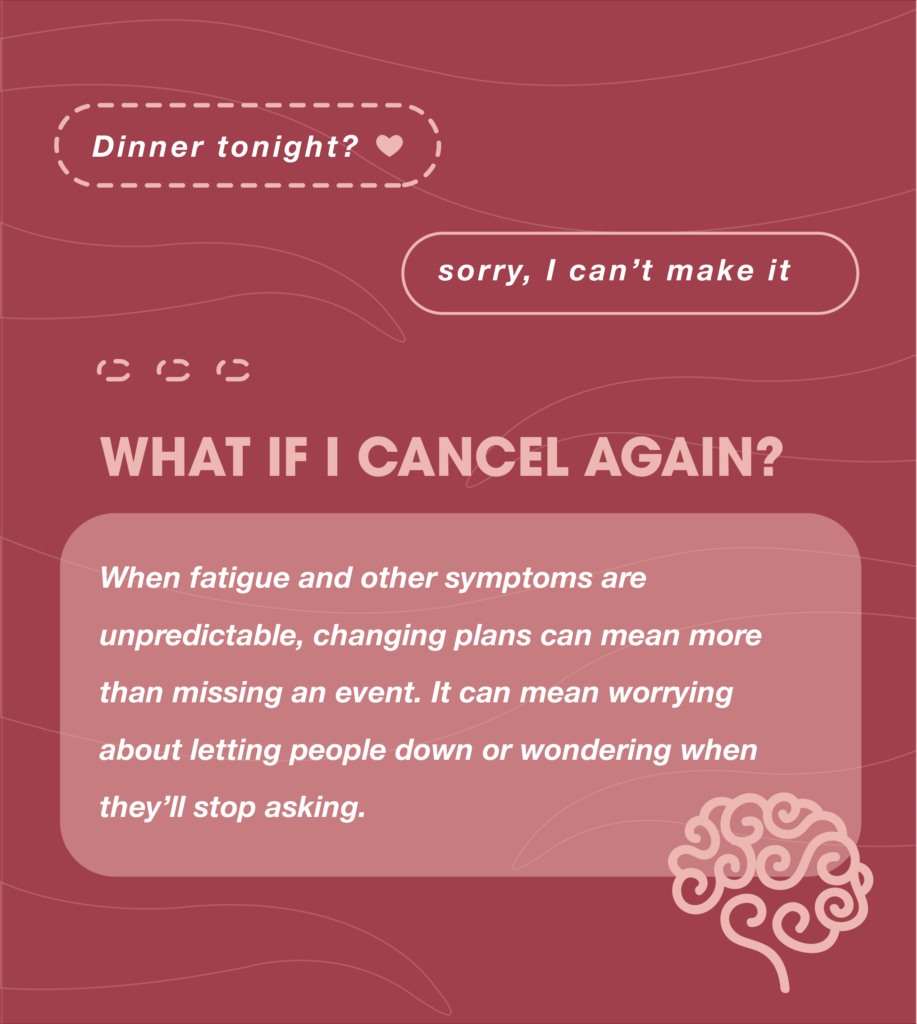
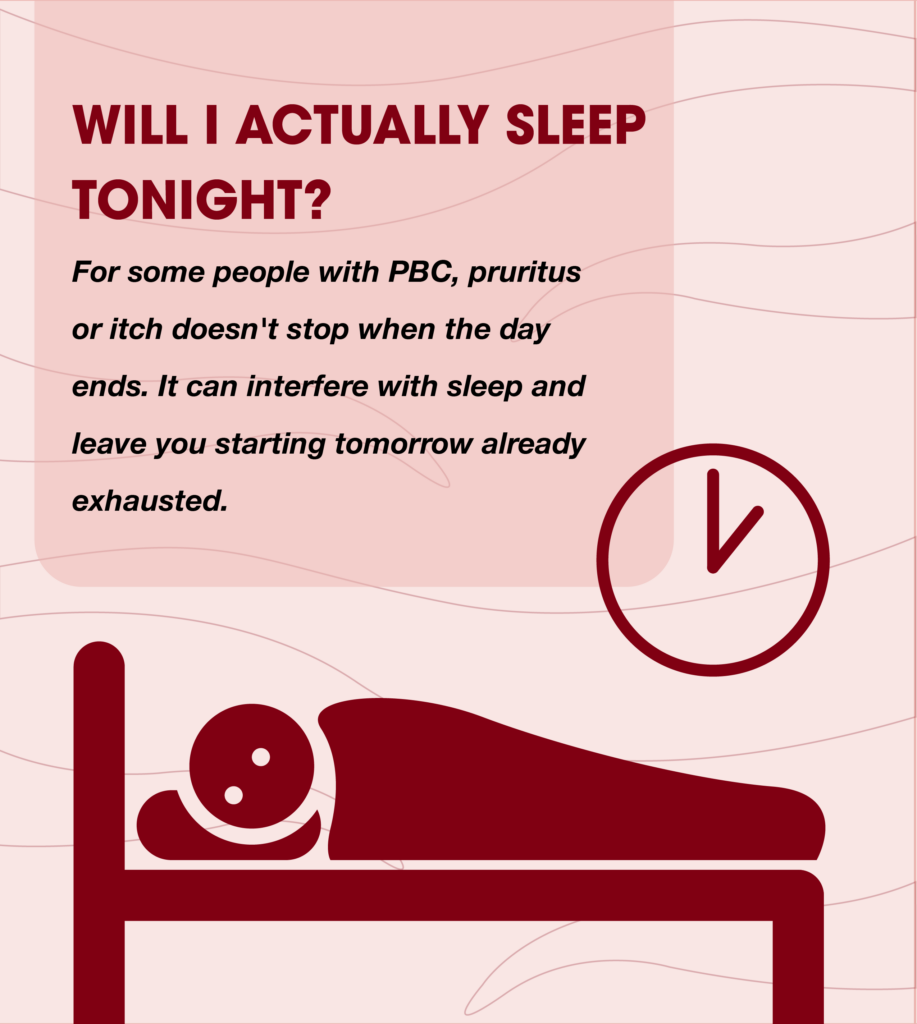
People living with PBC continue to experience symptoms that profoundly affect daily life. A recent global meta-analysis found that 51% of people with PBC experience fatigue and 33% experience pruritus. Severe symptoms like fatigue can make it difficult for people to work or participate in everyday activities and pruritus can disrupt sleep, decrease concentration, and cause people to withdraw from hobbies they enjoy. These experiences can become so familiar that people learn to work around them, cope with them, or stop mentioning them altogether. Yet when effective care reduces the severity of a symptom that has shaped someone’s daily life, the benefit reaches far beyond the symptom itself. It can mean sleeping through the night, thinking clearly, returning to activities, and feeling more like themselves. The value of better care and treatment is not only in what it changes medically, but in the opportunities those changes bring to someone’s life.
Mental health and quality of life are not secondary to the PBC experience—they are essential parts of it. We need to make sure these priorities are embedded in the conversations shaping PBC care, from clinical practice and research to clinical trials, treatment development, and health policy. This International PBC Awareness Day, we call on the global PBC community to identify where these priorities are being overlooked and develop practical solutions for bringing them into the decisions shaping care.



About Global Liver Institute
Global Liver Institute (GLI) is a 501(c)3 nonprofit organization founded in the belief that liver health must take its place on the global public health agenda commensurate with the prevalence and impact of liver illness. GLI promotes innovation, encourages collaboration, and supports the scaling of optimal approaches to help eradicate liver diseases. Operating globally, GLI is committed to solving the problems that matter to liver patients and equipping advocates to improve the lives of individuals and families impacted by liver disease. GLI is a member of the National Health Council and NORD, and serves as a Healthy People 2030 Champion. Follow GLI on Facebook, Instagram, LinkedIn, and YouTube or visit www.globalliver.org.
