

Today, on World Hepatitis Day, we’re excited to join communities around the world in recognizing the progress made toward eliminating viral hepatitis and reaffirming the urgent need to continue this work.
Impact of a Goals-of-Care Communication on Patients with Serious Illnesses
Strategies like patient-specific communication priming can facilitate conversations with patients about their goals of care to improve quality of life and ease the burden of disease for patients with liver disease.
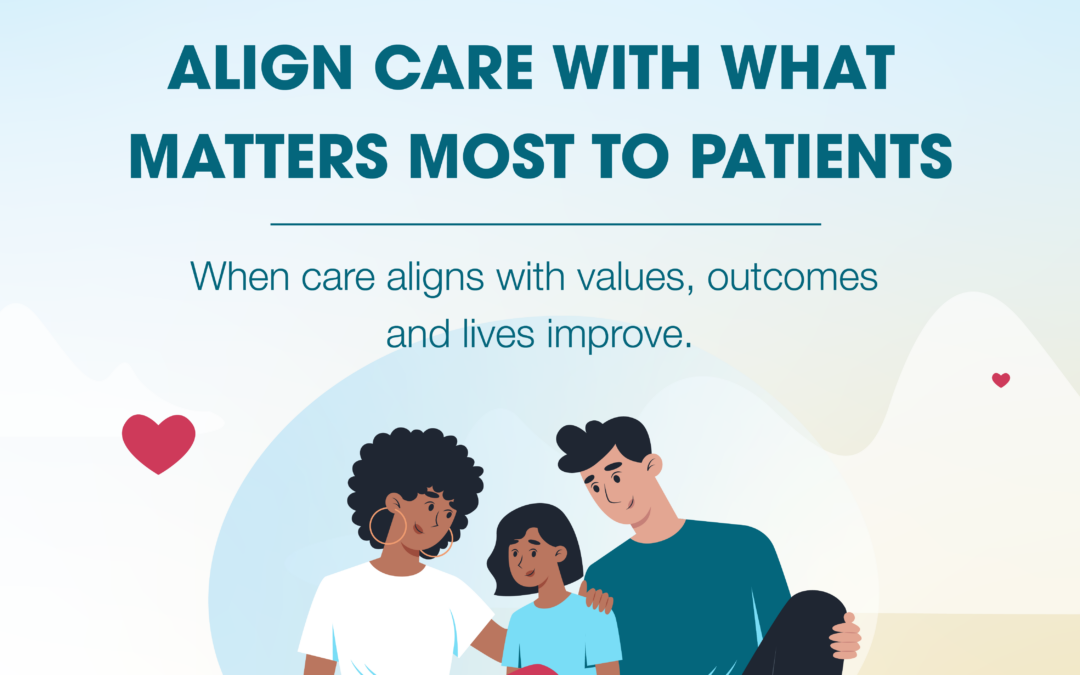
Why Talk to Patients About Goals of Care?
Serious illness communication (often referred to as advanced care planning) is the foundation of successful treatment for patients who have serious or chronic illnesses. These conversations clarify what matters to a patient and their loved ones in order to guide decision-making and strengthen the relationship between a patient and their care team. Robust evidence shows that when you align with patients’ goals of care, satisfaction, quality of life, and even outcomes improve.
What are Goals of Care, and Who Needs Them?
When you are faced with a chronic or challenging medical condition, there are all sorts of decisions that you have to make with your health care team to make sure that the care you receive fits your wishes. Anyone living with a medical condition can benefit from a conversation about Goals of Care.
Smart Tools, Healthier Livers: How Digital Health Can Help You Take Control
Whether you know it or not, your liver plays a central role in your health. It has over 500 functions in the body, including filtering toxins from the blood and helping manage levels of sugar and cholesterol in your blood.
Culturally Relevant Tools to Increase Hepatitis B Screening in Asian American Communities
Infection with hepatitis B poses a serious risk to the health of many Americans – especially in certain groups with high risk, including Asian Americans and Asian-American immigrants. Research has found that, to support universal adult screening recommendations, culturally- and linguistically- appropriate educational tools can increase the rate of screening.
The Frontline Role of Primary Care in Hepatitis B Care
Chronic infection of the liver by hepatitis B virus (HBV) remains a significant public health concern in the U.S. and around the world, particularly among at-risk populations. Although many people who are infected are unaware, the infection slowly, quietly damages livers, often to a point beyond repair.
Proactive Protection of the Liver Health of Asian Americans
Hepatitis B is a liver infection caused by the hepatitis B virus (HBV) that can cause long-term (chronic) disease. Chronic hepatitis B can lead to serious liver damage – including scarring (cirrhosis), liver failure, and even liver cancer.
How the Hepatitis C Cure Affects Other Chronic Conditions
Hepatitis C infection is a chronic infection of the liver by the hepatitis C virus (HCV) that continues to affect millions of people across the globe. Left untreated, infection with hepatitis C leads to worsening liver damage and puts the body in distress, which can lead to brain fog, abdominal pain, and internal bleeding.
The Case for Universal Access to Hepatitis C DAA Treatment for Your Patients
Hepatitis C is a viral infection of the liver caused by the hepatitis C virus (HCV) and spread through blood-to-blood exposure. The majority of people exposed to HCV develop chronic infection, which can cause cirrhosis resulting in liver failure, liver cancer, or even the need for liver transplantation. It has no vaccine to prevent infection.